Lip care · 5 min read
Natural lip balm for dry, chapped lips: what actually helps
By Aarti Solanki · Updated
The short answer
A natural lip balm helps dry, chapped lips when it does two jobs at once: it softens the lip with plant butters and oils, and it seals moisture in with a wax barrier. Avoid menthol, camphor, phenol and heavy fragrance, which feel cooling but dry the lip further and encourage relicking.
- Lips have no oil glands, so they lose water faster than the rest of your face.
- Look for shea butter, jojoba, sweet almond or coconut oil plus a wax to seal.
- Skip menthol, camphor, phenol and strong flavour oils on already-cracked lips.
- Reapply after eating, drinking and before going outside in wind or cold.
Why lips chap in the first place
Lip skin is thinner than facial skin and has no sebaceous glands, so it cannot produce its own oil. Water evaporates through it constantly. Cold air, central heating, hospital air conditioning, wind and mouth-breathing all speed that up.
Once the surface splits, licking makes it worse. Saliva evaporates within seconds and takes more moisture with it, which is why a balm that only tastes nice can leave you applying it every ten minutes.
The two jobs a good balm has to do
Emollients soften and fill the gaps between the flaking surface cells. Occlusives sit on top and slow water loss. A balm with only one of the two will feel either greasy or short-lived.
- Emollients: shea butter, cocoa butter, jojoba oil, sweet almond oil, coconut oil
- Occlusives: beeswax and plant waxes such as candelilla or carnauba
- Antioxidant support: vitamin E (tocopherol), which also helps keep the oils fresh
Ingredients to be cautious with
Menthol, camphor and phenol create a cooling tingle that reads as 'working'. On split lips they can irritate and prolong the cycle. Strong fragrance and flavour oils are a common cause of contact irritation, especially on children.
If your lips sting when a balm goes on, that is not the balm working. Patch test a new product on the inside of your forearm for 24 hours if your skin is reactive.
How we approached it
Yani Beauty started because a five-year-old in a hospital bed could not find a balm that helped her cracked, bleeding lips. Everything on the shelf was either too harsh or simply did not last.
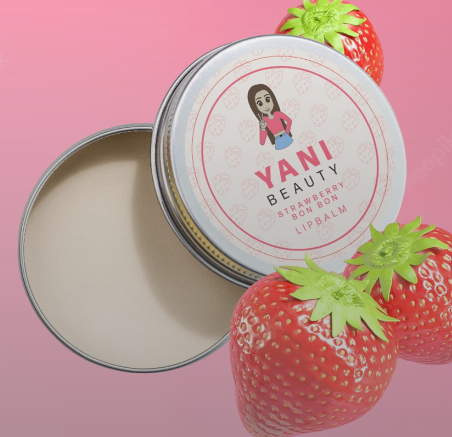
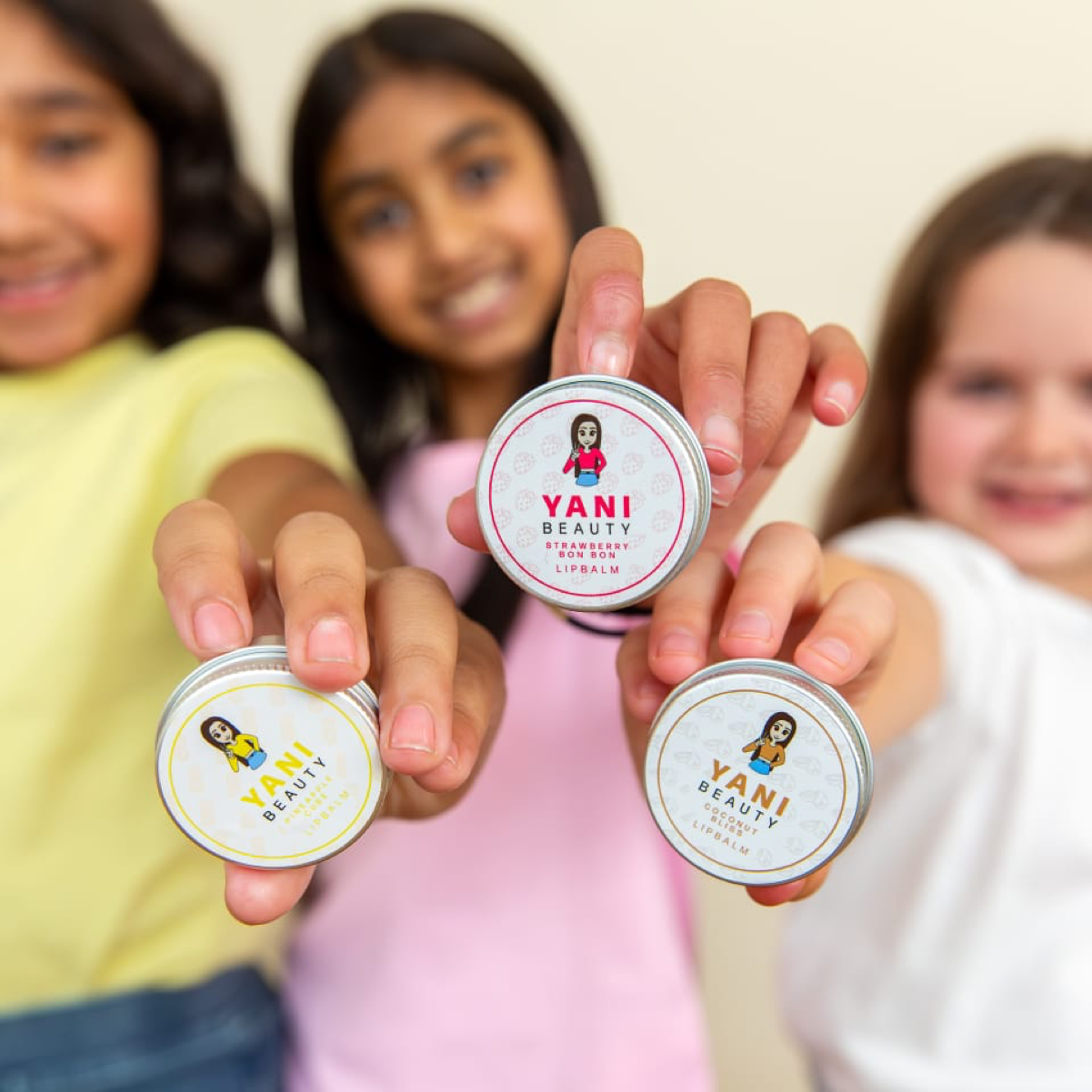
Our first balm, Plain Jane, was deliberately plain: kokum, shea and cocoa butters with jojoba and sweet almond oil, sealed with plant-based carnauba wax rather than beeswax, and no menthol. Every balm we have made since starts from that same 15 ml tin base and adds flavour, never irritation. Plain Jane is still scent-free; the other five flavours add a fragrance.
A simple daily routine for chapped lips
Consistency beats any single product. Small, frequent applications keep the barrier intact while the skin repairs itself.
- Apply a generous layer before bed, when repair happens fastest
- Reapply after every meal and drink
- Apply before going out into wind or cold, not after
- Do not peel flakes; soften them with balm and let them shed
- Drink water regularly, especially in heated or air-conditioned rooms
Questions people ask
Is natural lip balm better than petroleum jelly?
Petroleum jelly is an effective occlusive but purely a seal; it does not soften. A natural balm combining plant butters and oils with a wax both conditions the lip and seals it, and gives you a full ingredient list you can check.
Can lip balm be addictive?
No. What feels like dependence is usually a balm that irritates or evaporates quickly, so you reapply constantly. Switching to a plain, wax-sealed balm without menthol or heavy fragrance normally breaks that cycle within a week.
Is your lip balm suitable for children?
Yes. Our lip balms are suitable from age 3, vegan and cruelty-free, and every ingredient is listed in full on the product page. They contain sweet almond oil, so they are not suitable for anyone with a nut allergy, and the five flavoured versions contain fragrance - choose scent-free Plain Jane for very sensitive lips.