Skin · 5 min read
Facial oil for acne-prone skin: does it help or make it worse?
By Aarti Solanki · Updated
The short answer
Facial oil can suit acne-prone skin when you choose a low-comedogenic, high-linoleic oil such as jojoba or hemp seed oil. Stripping skin with harsh cleansers often makes oil production and breakouts worse; a gentle oil cleanse removes sunscreen and sebum without damaging the barrier. Avoid heavy, high-oleic oils like coconut oil on the face.
- Jojoba is a wax ester similar to sebum and rates low for clogging pores.
- Acne-prone skin is often low in linoleic acid, which hemp and jojoba supply.
- Coconut oil is highly comedogenic on faces - keep it for body and lips.
- Over-cleansing drives more oil, not less.
- Patch test for two weeks before judging any new oil.
Why oil is not automatically the enemy
Breakouts happen when pores block with dead skin and sebum and bacteria multiply behind the blockage. The culprit is the type of oil and how it behaves, not oil in general. Strip the face with a harsh foaming wash and the barrier responds by producing more sebum - the cycle most people describe as 'oily but tight'.
Research on sebum composition has repeatedly found that acne-prone skin tends to be lower in linoleic acid and higher in oleic acid, which makes sebum thicker and stickier. Topping up linoleic acid is the logic behind using lighter oils on blemish-prone skin.
Which oils suit blemish-prone skin
Comedogenic ratings run from 0 (will not clog) to 5 (very likely to clog).
- Jojoba oil - rating around 2, a wax ester close to human sebum, absorbs fast
- Hemp seed oil - rating 0, very high in linoleic acid, light finish
- Rosehip and grapeseed - light, linoleic-rich options
- Avoid on the face: coconut oil (rating 4) and heavy cocoa butter
How to oil cleanse without breaking out
The most common mistake is not rinsing properly, leaving a film that traps the day's grime.
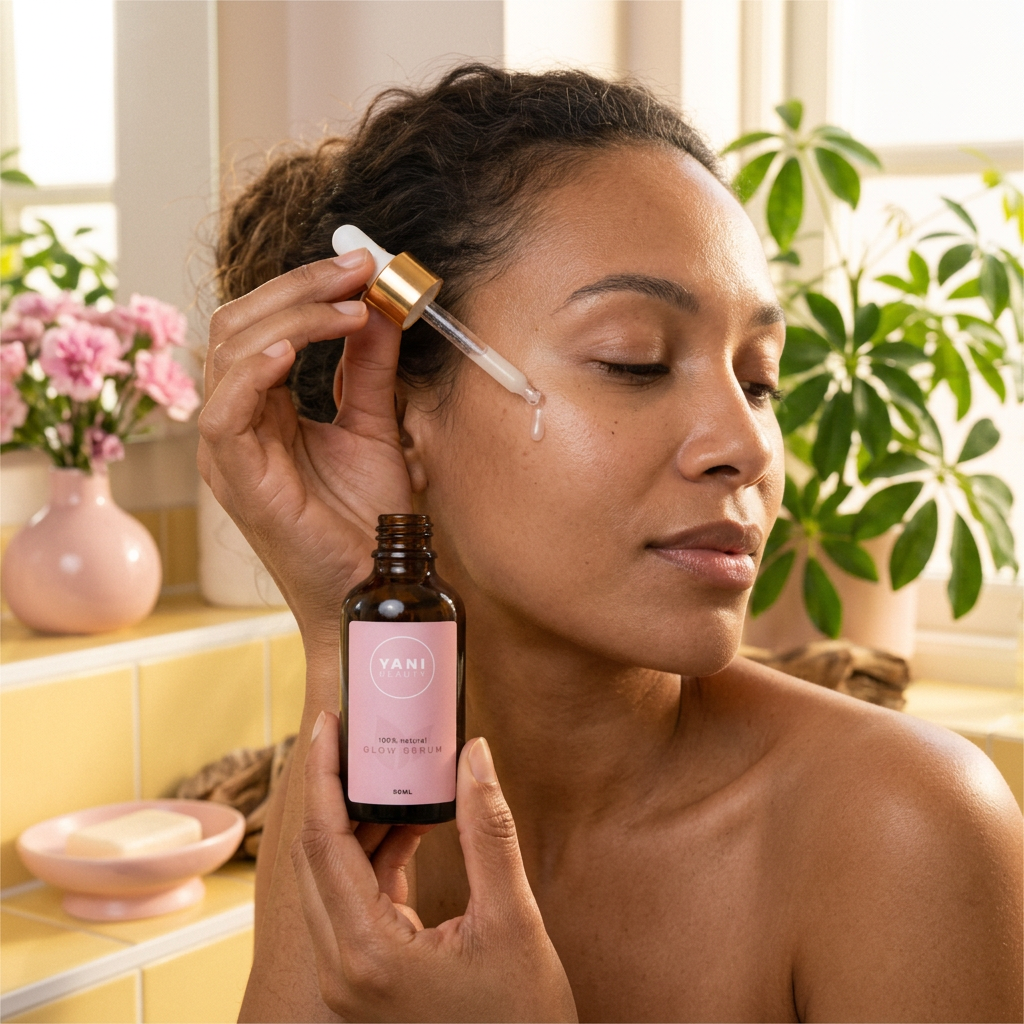
- Apply to dry skin with dry hands and massage for 30 to 60 seconds
- Add warm water gradually and keep massaging until it turns milky
- Rinse fully, then follow with a mild water-based wash if you wear heavy make-up or SPF
- Pat dry and apply anything hydrating while skin is still damp
- Give it two full weeks before deciding; purging and reacting look similar in week one
My own history with this
I had acne for years and treated it the way most of us were taught to: scrub it, dry it out, repeat. It worked for a fortnight and then my skin was worse, and by my forties it was reactive as well as congested.
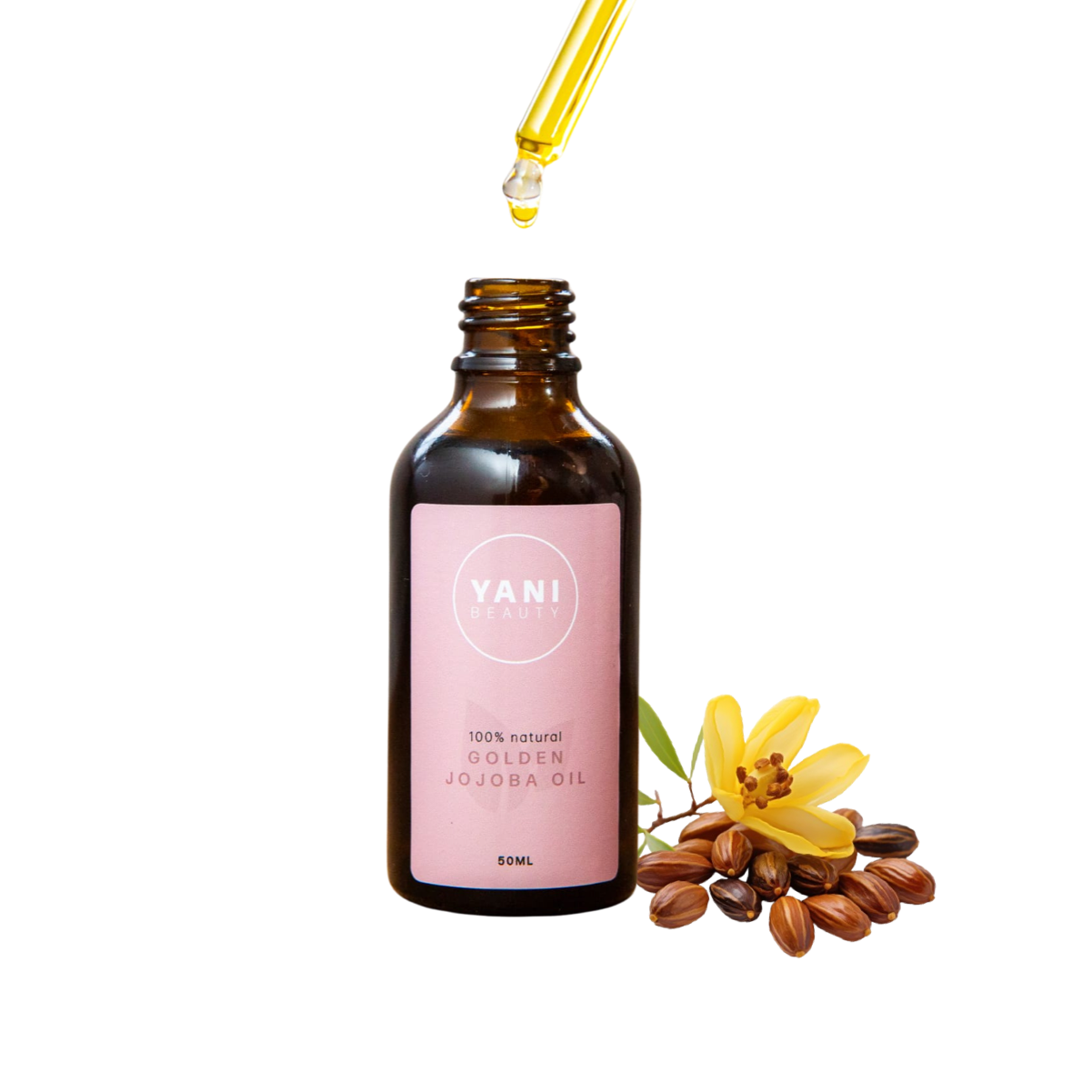
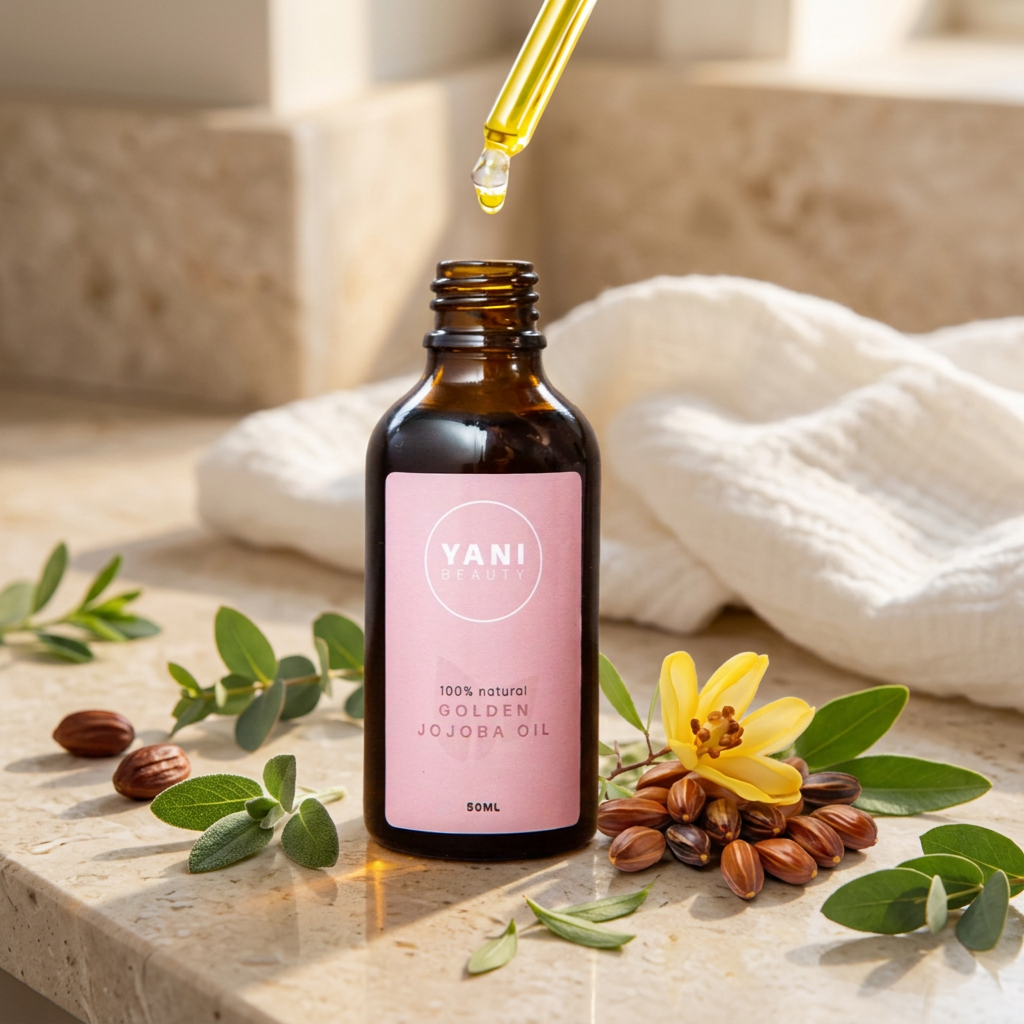
Switching to a simple jojoba cleansing oil was the single change that settled things. That is why our Golden Jojoba Cleansing Oil has two ingredients - cold-pressed golden jojoba oil and vitamin E - and no fragrance, no essential oils and nothing added to make a nicer bottle description.
When to see a professional
Cystic, painful or scarring acne needs a GP or dermatologist, not a skincare swap. Prescription treatments exist and work. A gentle routine supports them; it does not replace them.
Questions people ask
Does jojoba oil cause acne?
For most people, no. Jojoba is a liquid wax ester with a low comedogenic rating that absorbs rather than sitting in the pore. A small number of people react to any oil, so patch test on the jaw for two weeks.
Can I use facial oil if my skin is already oily?
Yes. Oily skin is often dehydrated skin overcompensating. A light, low-comedogenic oil applied to damp skin can reduce that overproduction over a few weeks.
Is coconut oil good for acne?
Not on the face. Coconut oil rates 4 out of 5 for comedogenicity and commonly clogs facial pores. It is fine on lips, hands and body.
Should I oil cleanse morning and night?
Evening is where it matters, to remove sunscreen, make-up and the day's sebum. Most people do better with plain warm water or a very mild wash in the morning.