Skin · 6 min read
What serum should I use? How to choose one without wasting money
By Aarti Solanki · Updated
The short answer
Choose a serum by the single concern you most want to change: hydration (glycerin or hyaluronic acid), dullness and fine lines (an antioxidant oil serum or vitamin C), texture (a low-strength acid), or barrier repair (a lightweight oil serum). Use one serum at a time on damp skin, give it eight to twelve weeks, and if your skin is reactive start with a gentle oil serum rather than a high-strength active.
- One concern, one serum. Stacking actives is the fastest route to irritation.
- Water-based serums go on before oils; oil serums go on last, before SPF.
- Reactive or menopausal skin usually does better with an oil serum than an acid.
- Most serums need eight to twelve weeks before you can judge them.
- Start in your twenties if you want to, but sunscreen outperforms any serum.
Decide what you actually want it to do
A serum is simply a concentrated step between cleansing and moisturising. It is not a category of benefit, so 'which serum is best' has no answer until you name the problem.
- Tight, dehydrated skin: glycerin or hyaluronic acid, applied to damp skin
- Dull, tired, uneven tone: an antioxidant-rich oil serum, or vitamin C in the morning
- Fine lines and loss of bounce: retinoids at night, or a nourishing oil serum if retinoids irritate you
- Congestion and blackheads: a low-strength salicylic serum a few nights a week
- Reactive, sensitive or perimenopausal skin: a lightweight, low-fragrance oil serum first, actives later
Water-based or oil-based?
Water-based serums deliver humectants and actives; oil serums deliver fatty acids and antioxidants and help seal everything in. They are not rivals. If you use both, water first, oil second.
Skin that stings at everything usually needs the oil, not the active. Fatty acids rebuild the barrier that is causing the stinging in the first place.
How to layer it without a ten-step routine
The order matters more than the number of products.
- Cleanse - an oil cleanse in the evening, water or a mild wash in the morning
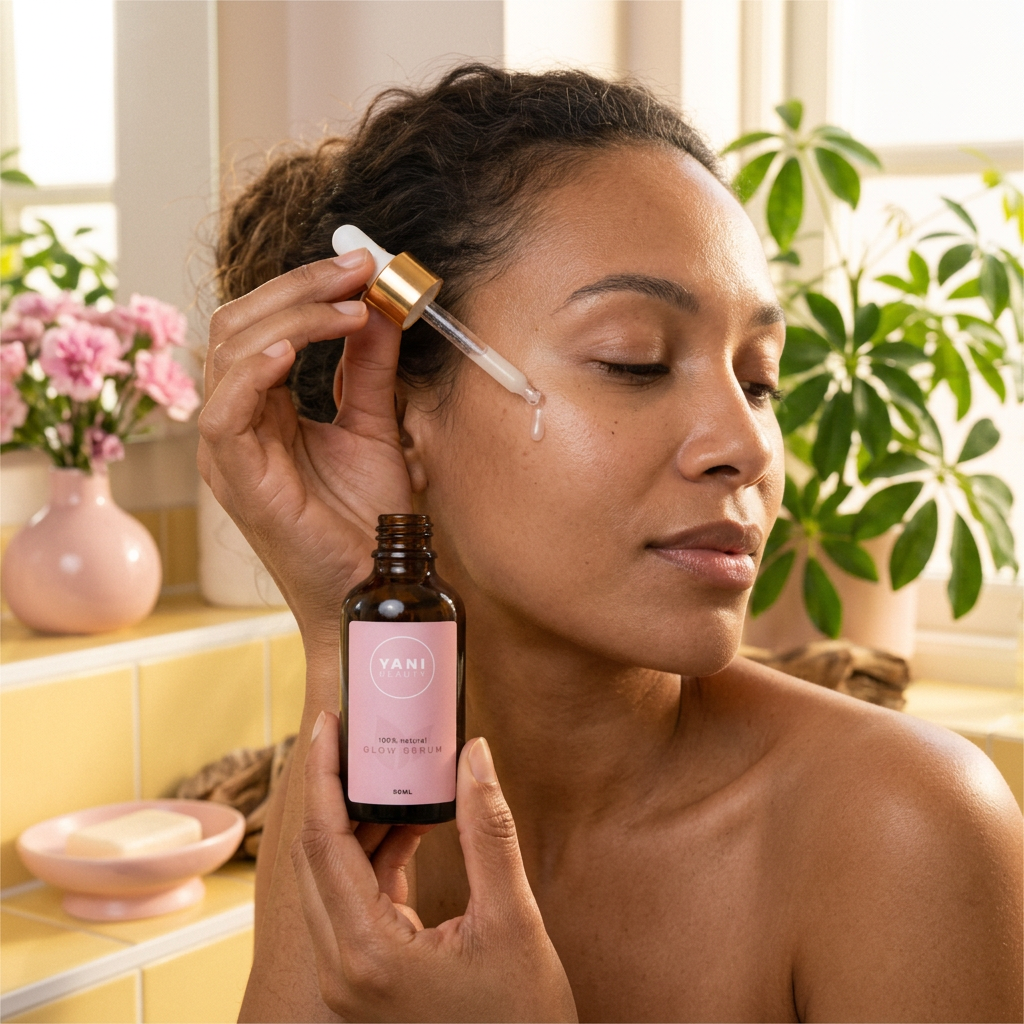
- Apply your serum while skin is still slightly damp
- Seal with a moisturiser or balm, concentrating on dry patches
- Broad-spectrum SPF 30 or higher every morning, over everything
What is in ours, and who it is for
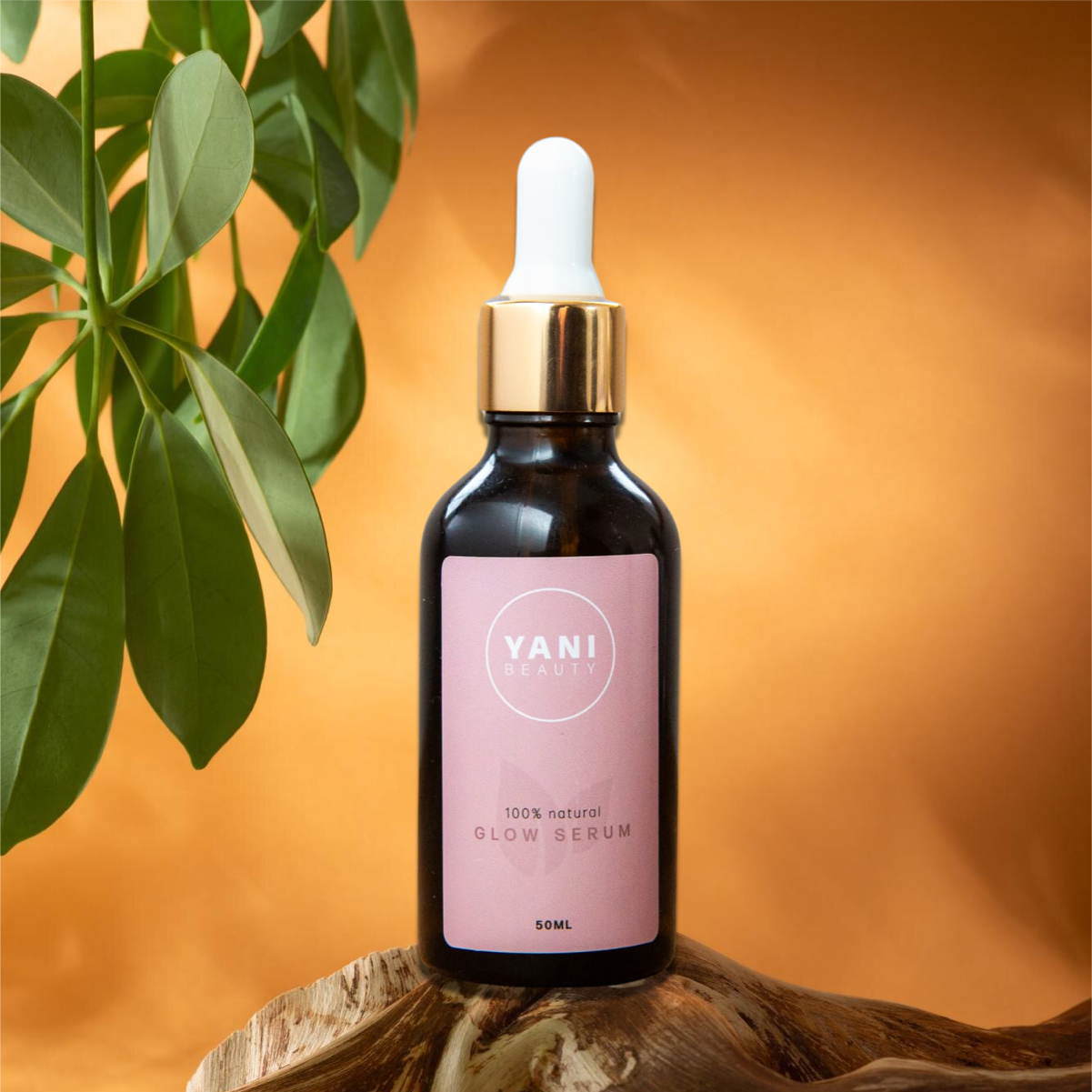
Our Glow Serum is a 50 ml oil serum: grapeseed, argan and hemp seed oils with neroli, ylang ylang and turmeric root extract. Grapeseed is antioxidant-rich and light, argan moisturises deeply, hemp seed oil is high in omega fatty acids, and turmeric calms.
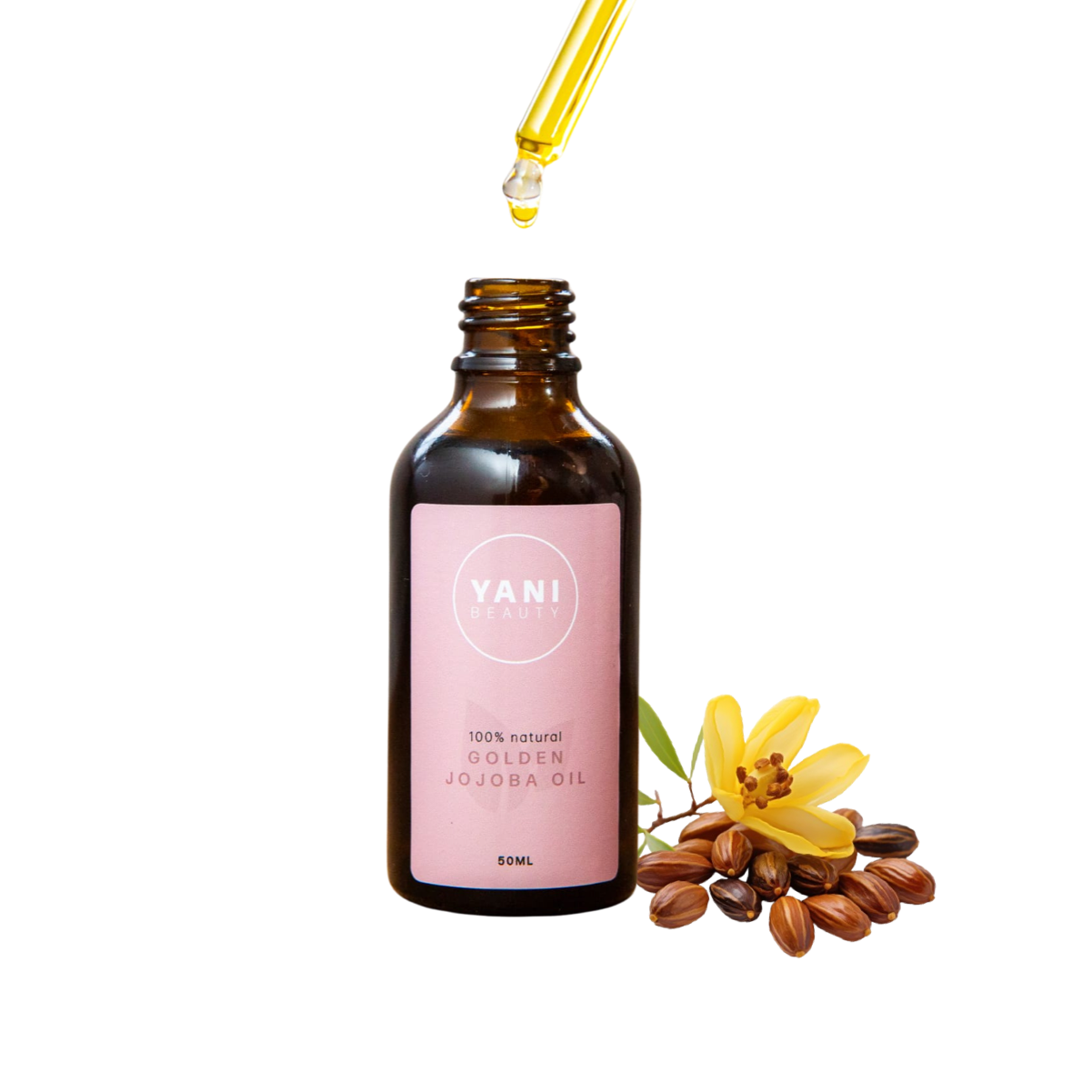
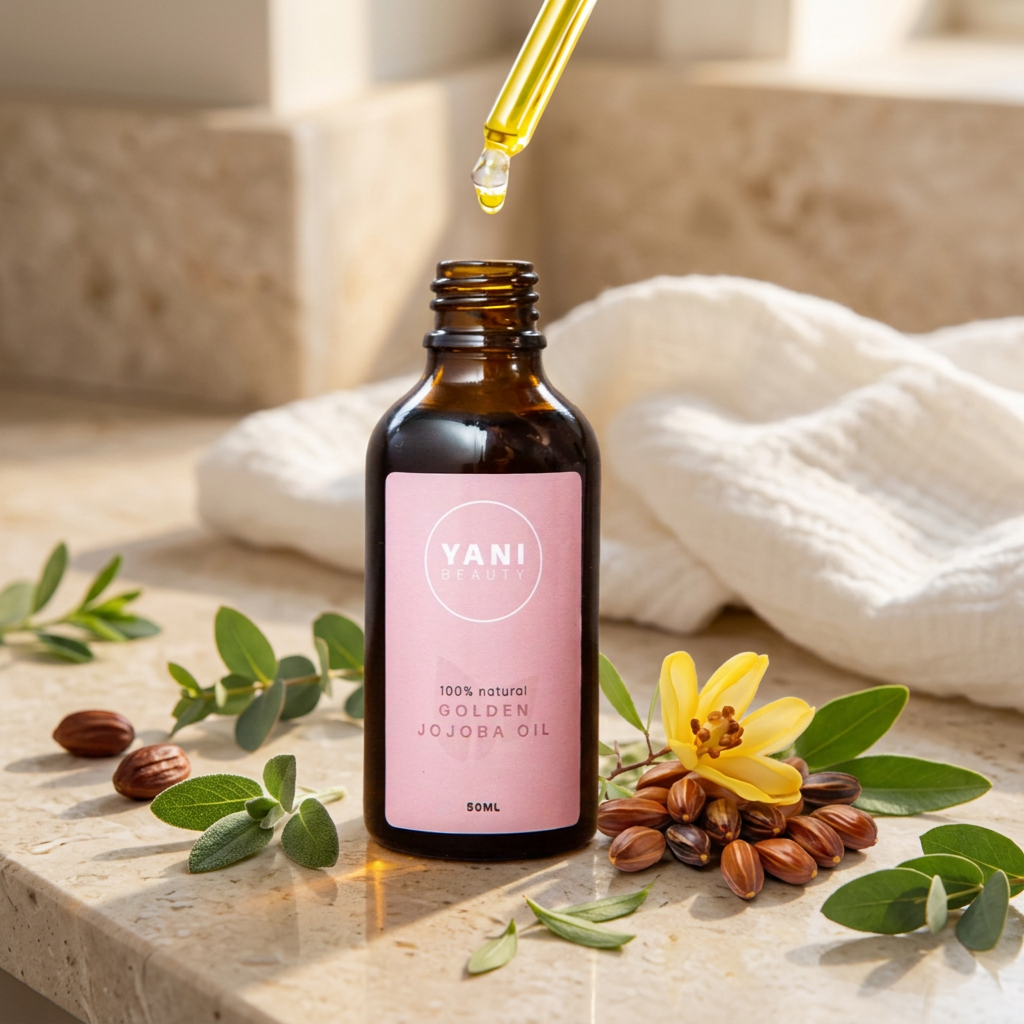
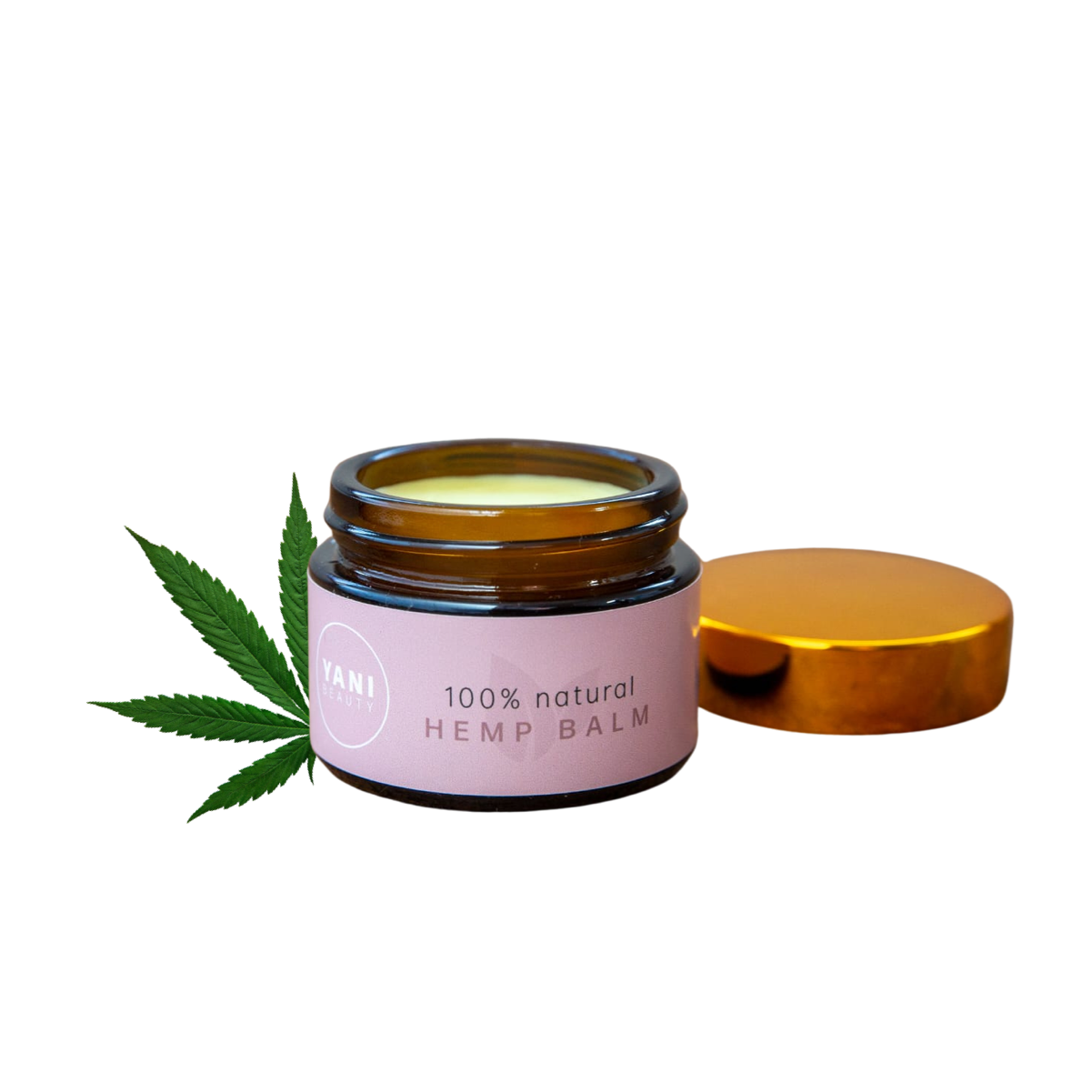
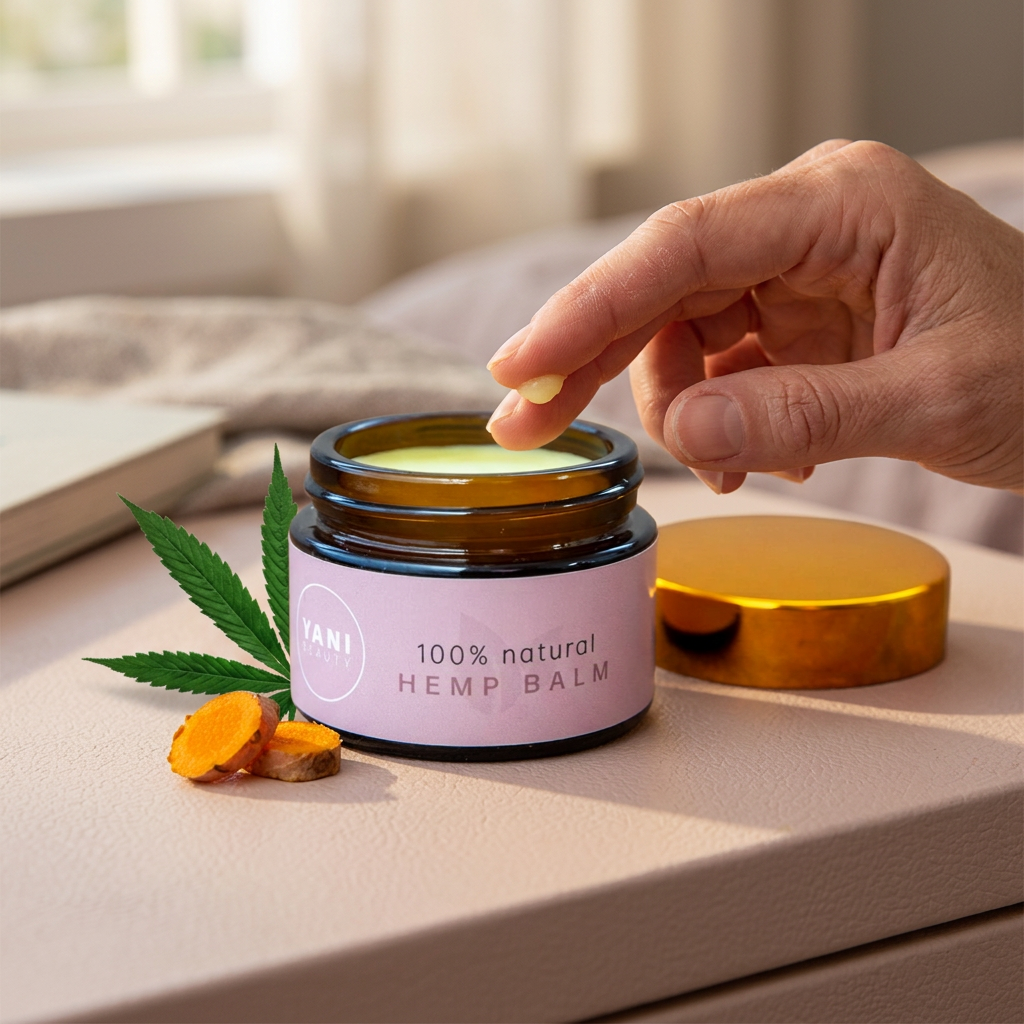
It is designed for dull, tired or mature-feeling skin, and it can be used alone, blended into a moisturiser, or under our Hemp Balm. It contains natural essential oils, so patch test on the inner arm for 24 hours if your skin is very reactive - and if you want zero fragrance at all, our Golden Jojoba Cleansing Oil is the plainer option.
How long before you judge it
Skin cell turnover takes roughly a month, and longer as you get older. Hydration changes show in days; tone, texture and fine lines need eight to twelve weeks of consistent use. Swapping products every fortnight guarantees you will never know what worked.
Questions people ask
What serum should I use for my skin type?
Dehydrated skin: a humectant serum with glycerin or hyaluronic acid. Oily or blemish-prone: a light, linoleic-rich oil such as jojoba or hemp seed, or a low-strength salicylic serum. Dry, mature or reactive: a nourishing oil serum with argan and grapeseed. Choose one concern at a time.
At what age should I start using a serum?
There is no fixed age. Hydrating serums are fine from the teens if skin feels tight, antioxidants suit the twenties onwards, and retinoids are usually introduced in the late twenties or thirties. Daily sunscreen matters more than any serum at any age.
Do I use serum before or after moisturiser?
Water-based serums go on before moisturiser. Oil serums go on after your moisturiser or as the last step at night, because oil seals in what is underneath it.
Can I use more than one serum at once?
You can, but not two strong actives. Pairing a hydrating serum with an oil serum is fine. Pairing vitamin C, an acid and a retinoid is how most people end up with a damaged barrier.
How much serum should I use?
Three to five drops of an oil serum for the whole face, pressed rather than rubbed into slightly damp skin. If it sits shiny on the surface after a minute, you used too much.