Skin · 6 min read
Perimenopause and skin: why yours changed, and what actually helps
By Aarti Solanki · Updated
The short answer
In perimenopause, falling oestrogen reduces the skin's oil, collagen and water-holding ability, so skin becomes drier, thinner and more reactive - and some people get adult breakouts at the same time. A short routine helps most: a non-stripping oil cleanse, a lightweight oil or serum pressed into damp skin, a barrier balm on dry patches, and daily SPF.
- Oestrogen decline reduces sebum, collagen and skin hydration.
- Dryness and breakouts can happen together; treat the barrier first.
- Swap foaming cleansers for a jojoba-based oil cleanse.
- Fewer, gentler products beat a ten-step routine on reactive skin.
- Add daily SPF; thinner skin marks and pigments more easily.
What is actually changing
Oestrogen supports the skin's oil production, its collagen and the hyaluronic acid that holds water in the dermis. As levels fall and fluctuate through perimenopause, all three drop. Skin feels tighter within minutes of washing, fine lines show sooner, and healing slows.
At the same time the ratio of androgens shifts, which is why some people get their first breakouts in twenty years alongside the dryness. It feels contradictory. It is not - it is two different changes happening in the same face.
Why products you have used for years suddenly sting
A weakened barrier lets actives and fragrance reach nerve endings they never used to. Strong foaming cleansers, high-strength acids, retinol used nightly and heavy fragrance are the usual culprits.
The fix is almost always subtraction. Strip the routine back to cleanse, moisturise and protect for four weeks, then reintroduce one active at a time so you know what your skin is actually reacting to.
A simple routine that respects a fragile barrier
Four steps, morning and evening, with nothing that fights each other.
- Evening: massage a jojoba cleansing oil over dry skin, emulsify with warm water, rinse
- Morning: warm water or a very mild wash only
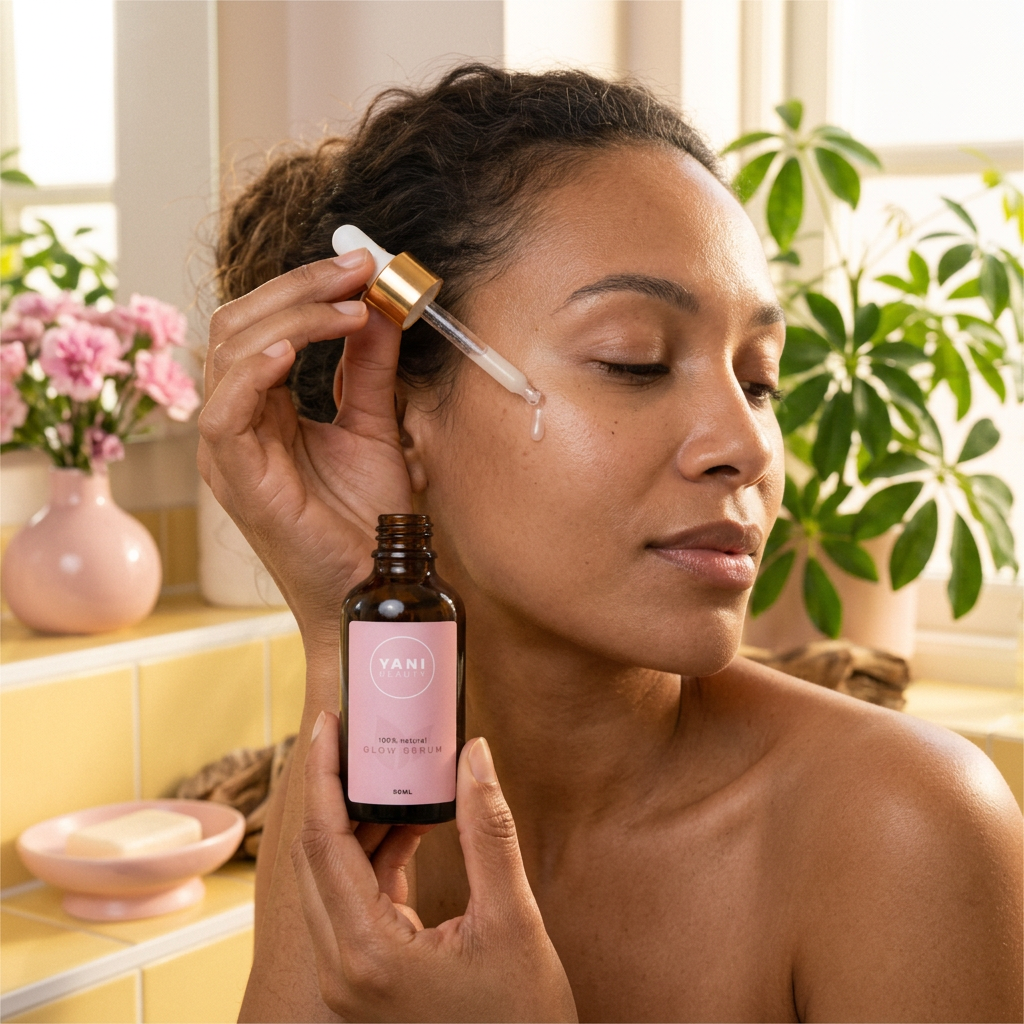
- Press a lightweight facial oil or serum into slightly damp skin, not dry skin
- Seal dry patches, lips, hands and the eye area with a balm
- Every morning without exception: broad-spectrum SPF 30 or higher
Why I reformulated our range around this
I am Aarti, Yana's mum. Yana's lip balm came first, but the skincare came from my own face. Acne when I was younger, then reactive, sensitive skin that got drier and more temperamental as I moved into perimenopause. Most of what I bought was either too harsh or so rich it triggered congestion.
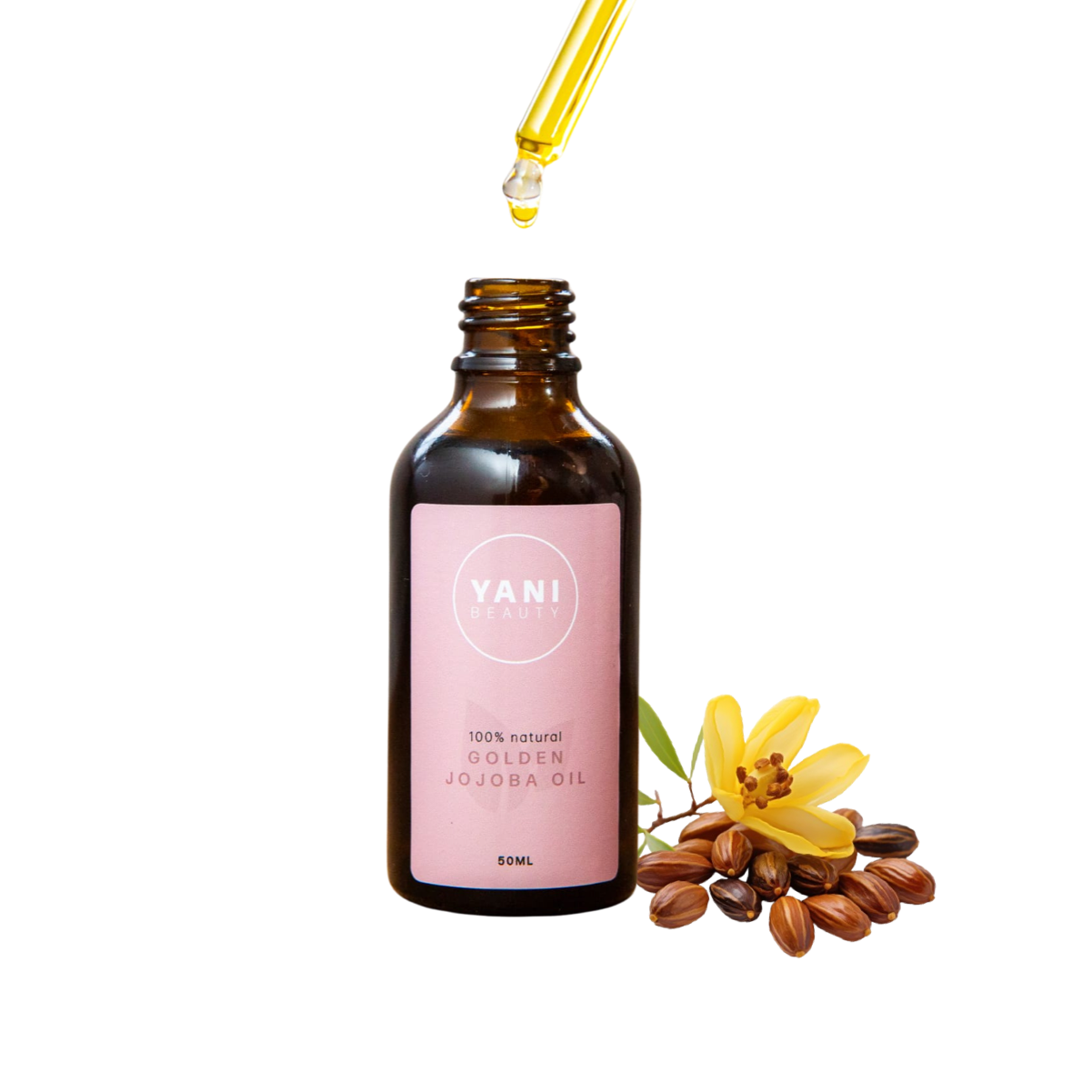
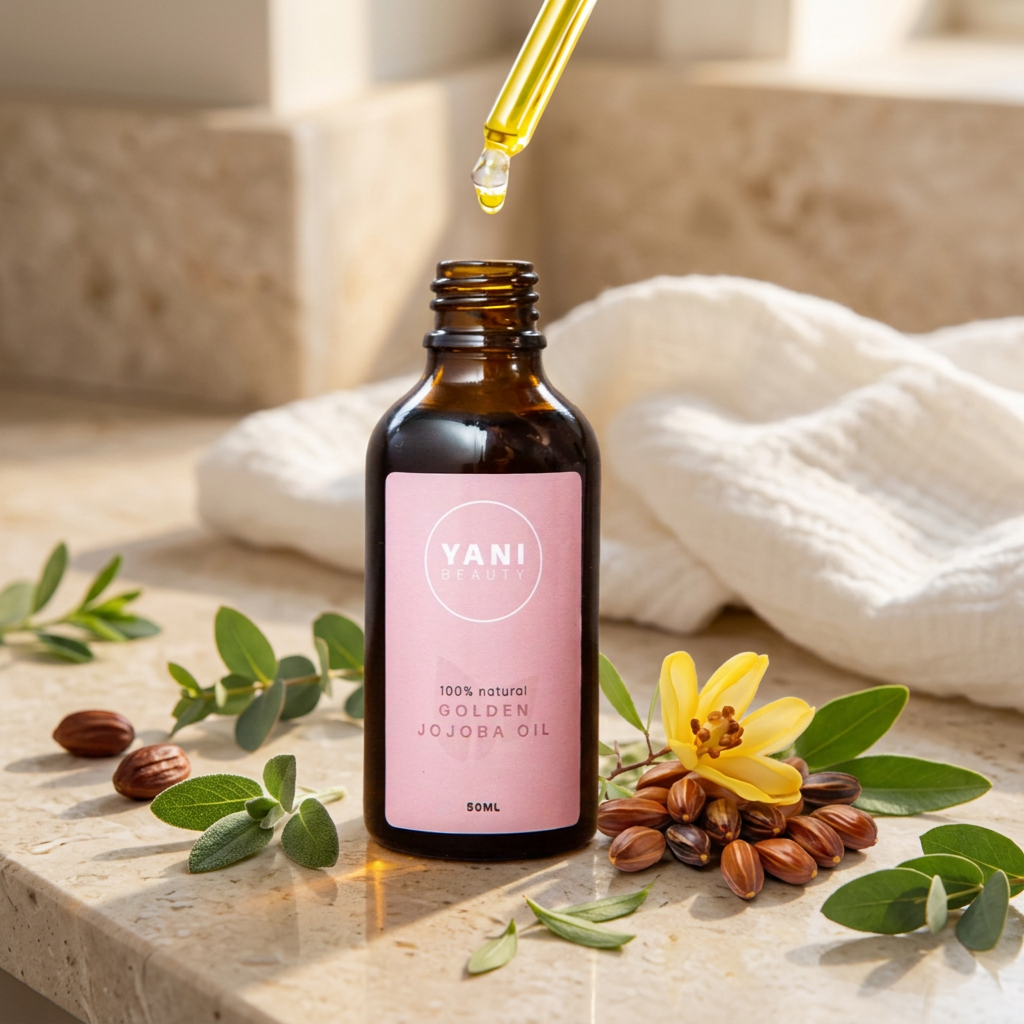
So I built the range from the opposite direction: start with what irritated skin tolerates, keep formulations waterless where we can, publish every ingredient, and add nothing purely for the label. Jojoba became the backbone because it behaves like skin's own sebum on both dry and blemish-prone faces.
When to get medical advice
Skincare manages symptoms; it does not treat hormonal change. If you have severe dryness, itching, persistent adult acne, hair loss or symptoms affecting sleep and mood, speak to your GP or a menopause specialist. HRT and prescription treatments are decisions for a clinician, not a balm.
Questions people ask
Why is my skin so dry in perimenopause?
Falling oestrogen reduces sebum production and the skin's ability to hold water, and slows collagen renewal. Skin loses moisture faster than it replaces it, so it feels tight, rough and thinner than it used to.
Can I get acne and dry skin at the same time in perimenopause?
Yes, and it is common. Oestrogen falls while androgens stay relatively higher, which can trigger breakouts along the jaw and chin, while the overall skin barrier is drier. Treat the barrier gently rather than attacking the breakouts with strong actives.
Is facial oil a good idea for menopausal skin?
For most people, yes. A lightweight oil such as jojoba absorbs quickly, supports the barrier and does not clog pores for most skin types. Press it into damp skin so it seals water in rather than sitting on a dry surface.
What should I stop using?
Anything that leaves your skin feeling tight or stinging: strong foaming cleansers, daily high-strength acids, alcohol-heavy toners and heavy fragrance. Reintroduce one product at a time after four calmer weeks.